
What to look for
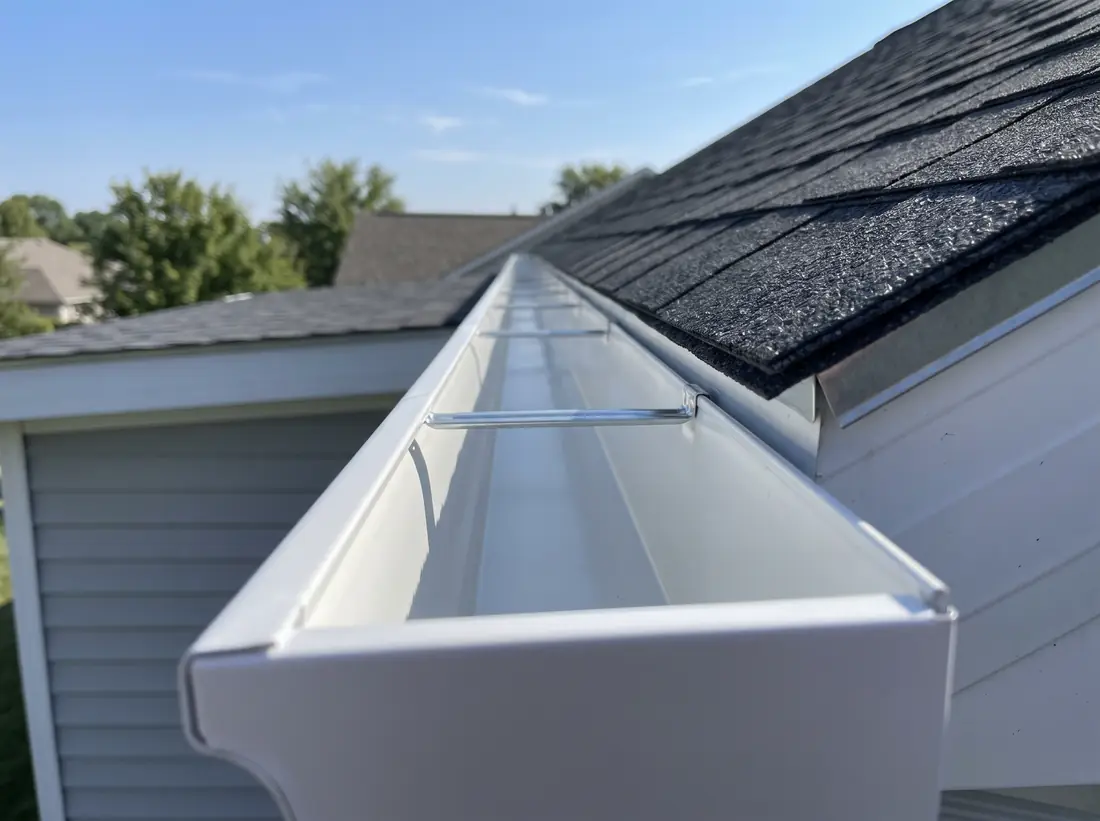
Plan a roof drainage system with appropriate capacity, secure hangers and carefully positioned outlets. Look from ground level for streaks on siding, water collecting at the base of a wall and changes in the shape of the channel. Note whether the problem occurs during ordinary showers or only a heavy downpour.
Options to discuss
- Seamless gutters: Long continuous runs reduce joints, but corners and outlets still need careful sealing.
- 6-inch gutters: Larger channels may help where broad roof planes concentrate runoff; outlets must also have adequate capacity.
- Half-round gutters: Rounded profiles require matching brackets and outlets and may suit traditional architectural details.
- Copper gutters: Copper develops a patina and requires compatible fixings and specialist joining methods.
- Aluminum gutters: Lightweight aluminum offers many finish choices; thickness and support spacing affect durability.
- Downspouts: Downspout size, bends and discharge location determine whether water can leave the system efficiently.
A property-specific inspection
Ask the provider to check the roof catchment, outlet sizes, fascia condition and where downspouts discharge. A quote should distinguish materials, labor, disposal, access equipment and any additional work discovered during inspection. Agree on how changes to the scope are approved.
Atlanta conditions
Atlanta Watershed Management describes local stormwater challenges from intense rain. The aim of roof drainage is to manage runoff on the property, not to prevent neighborhood flooding. Check whether discharge or alterations require local approval.
Design the drainage system before choosing a finish
Map each roof plane to its receiving gutter. A valley can concentrate water at one point even when the total roof area looks modest. Ask the installer to calculate capacity for the roof and local design rainfall, including outlets and downspouts. Discuss how the gutter sits relative to the drip edge; water should enter the channel rather than run behind it.
A proposal should identify the profile, material, finish, hanger type, outlet locations and discharge plan. For a long elevation, ask about movement from temperature changes and where joints will be placed. If the fascia is damaged, agree on the repair scope before the new metal is formed.
Before you authorize the project
Georgia distinguishes specialty work from general contracting. Review the Georgia consumer protection guidance and confirm the requirements for the actual scope. Ask who is responsible for property protection, cleanup, changes to the estimate and any follow-up work.