
What to look for
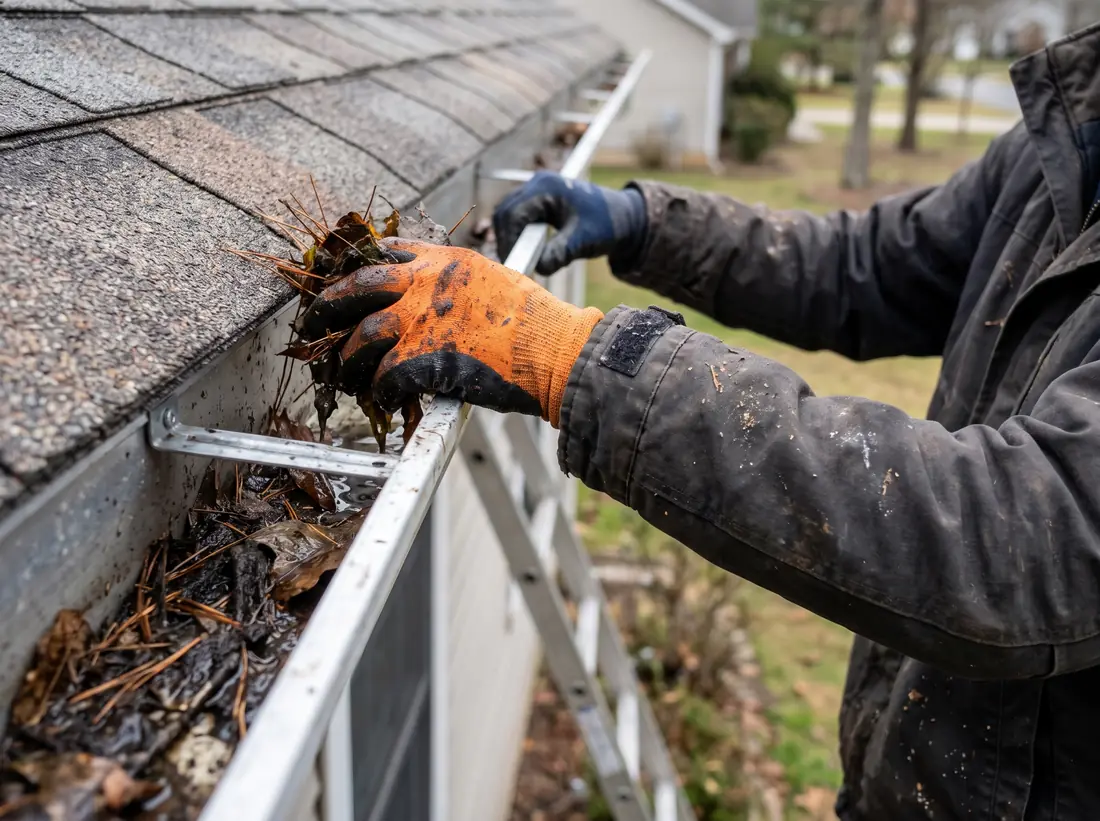
Remove accumulated leaves and sediment and check that outlets drain freely. Look from ground level for streaks on siding, water collecting at the base of a wall and changes in the shape of the channel. Note whether the problem occurs during ordinary showers or only a heavy downpour.
Options to discuss
Ask about the condition of the existing system, access and the work needed to restore drainage.
A property-specific inspection
Ask the provider to check the roof catchment, outlet sizes, fascia condition and where downspouts discharge. A quote should distinguish materials, labor, disposal, access equipment and any additional work discovered during inspection. Agree on how changes to the scope are approved.
Atlanta conditions
Atlanta Watershed Management describes local stormwater challenges from intense rain. The aim of roof drainage is to manage runoff on the property, not to prevent neighborhood flooding. Check whether discharge or alterations require local approval.
A clean channel is only half the job
Leaves can be removed while the outlet remains blocked by compacted material. Ask whether the cleaning includes downspout checks and a safe way to confirm flow. A contractor should be able to distinguish a blockage from a pitch or sizing problem.
Request photographs or a description of damaged hangers, corrosion or loose joints discovered during cleaning. Establish whether minor repairs require separate approval. Avoid climbing a wet ladder to inspect the work.
Before you authorize the project
Georgia distinguishes specialty work from general contracting. Review the Georgia consumer protection guidance and confirm the requirements for the actual scope. Ask who is responsible for property protection, cleanup, changes to the estimate and any follow-up work.